 (+035) 527-1710-70
 NEWSLETTER
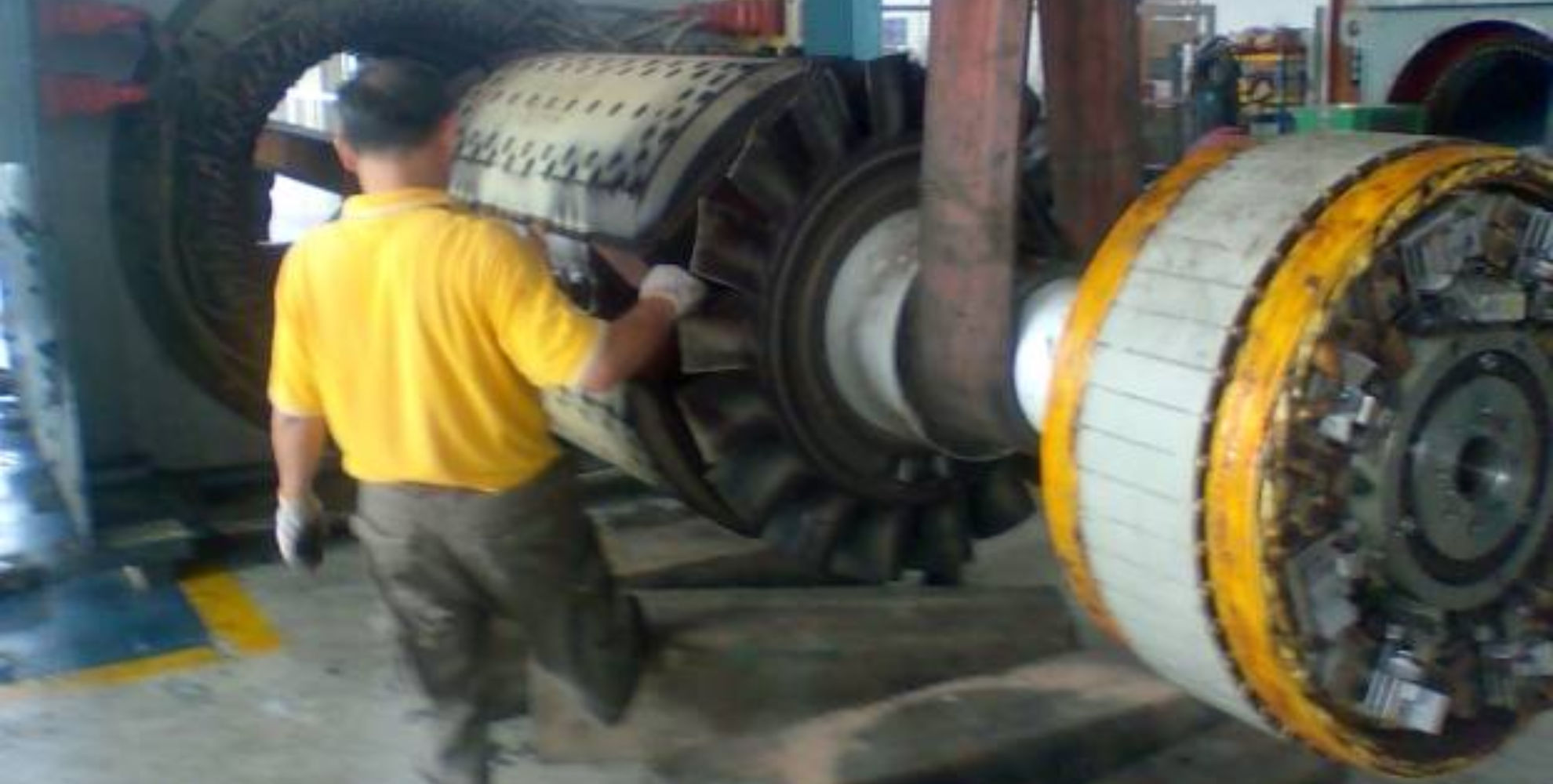
Motor and Overhaul servicing
Maintenance processes essential for keeping electric motors or engines operating efficiently and extending their lifespan
Motor Servicing
- Checking for physical damage or wear.
- Assessing electrical connections, winding resistance, and insulation quality.
- Identifying potential issues like overheating, vibrations, or unusual noise.
- Removing dirt, dust, and grease buildup that can hinder motor performance.
- Cleaning ventilation systems to prevent overheating.
Re-lubricating bearings to reduce friction and wear.
Replacing worn-out parts like brushes, bearings, or seals.
Ensuring proper alignment of motor shafts and balancing rotor components to avoid vibrations.
- Verifying motor performance using testing equipment to confirm that it meets operational standards.
Motor Overhaul
The motor is completely disassembled for detailed inspection of all components.
Parts are cleaned to remove dirt, grease, and corrosion.
Damaged components, such as windings, bearings, or rotors, are repaired or replaced.
If necessary, motor windings are replaced to restore electrical efficiency.
The motor is carefully reassembled, ensuring all parts are properly aligned and secured.
The overhauled motor undergoes rigorous testing to confirm its performance and efficiency.
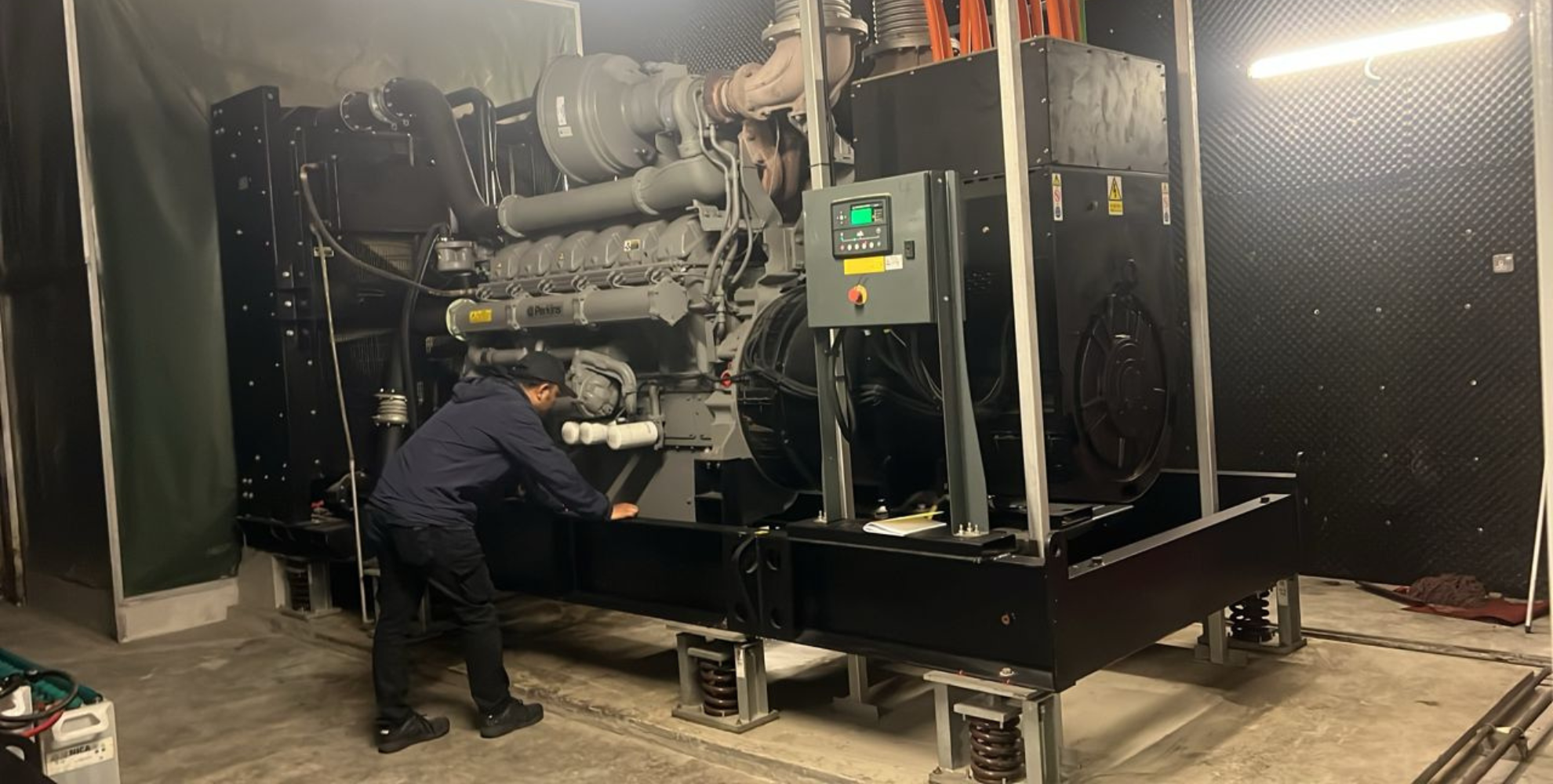
Generator Service
A generator service typically involves maintenance, repair, and inspection of electrical generators to ensure they operate efficiently and reliably. Generators are critical for providing backup power during outages or serving as a primary power source in remote locations.
1. Types of Services Offered
- Preventive Maintenance: Regular check-ups to identify and fix potential issues before they cause failure.
- Repairs: Addressing specific problems like engine faults, wiring issues, or fuel system failures.
- Installation: Setting up new generators or relocating existing ones.
- Load Testing: Testing the generator's capacity to handle its full load to ensure it works during critical times.
- Upgrades: Enhancing the system with newer components or better technology.
- Emergency Services: Immediate repair services in case of breakdowns.
2. Key Maintenance Tasks
- Inspection of Components:
- Fuel and oil systems
- Cooling system and radiator
- Battery and charging system
- Control panels and circuit breakers
- Fluid Changes:
- Replacing engine oil, coolant, and filters regularly.
- Lubrication:
- Ensuring all moving parts are well-lubricated to reduce wear and tear.
- Cleaning:
- Removing dirt, carbon deposits, and debris that might hinder performance.
- Testing:
- Verifying the functionality of sensors, gauges, and warning systems.
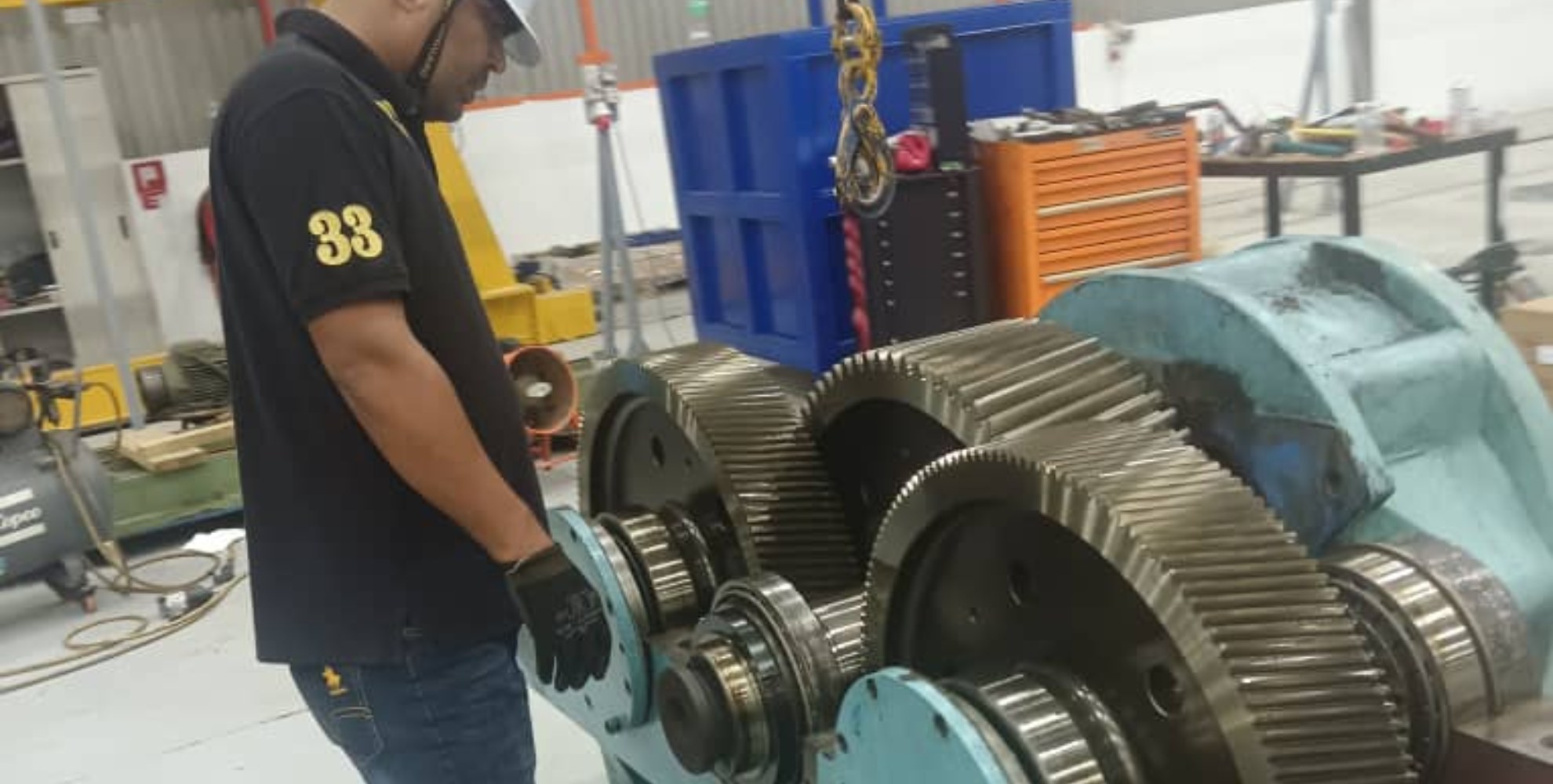
Blower Service
Maintenance, repair, or replacement of blower systems used in air conditioning, ventilation, or industrial applications. Blowers are essential for circulating air or gas in various settings, ensuring efficiency and performance.
Blower Service Scope:
Inspection:
- Check for wear and tear on blades, belts, and bearings.
- Assess the blower motor and electrical connections.
Cleaning:
- Remove dust, debris, and buildup from the blower assembly.
- Clean the filters and ducts to ensure unobstructed airflow.
Lubrication:
- Lubricate moving parts like bearings and shafts to reduce friction and extend lifespan.
Repairs:
- Replace faulty motors, bearings, or belts.
- Repair or replace damaged blades or housings.
Testing:
- Ensure proper air or gas flow.
- Check noise levels and vibration to identify any operational issues.
Replacements:
- Install new blower systems if repair isn't feasible.
- Upgrade to energy-efficient models when needed.
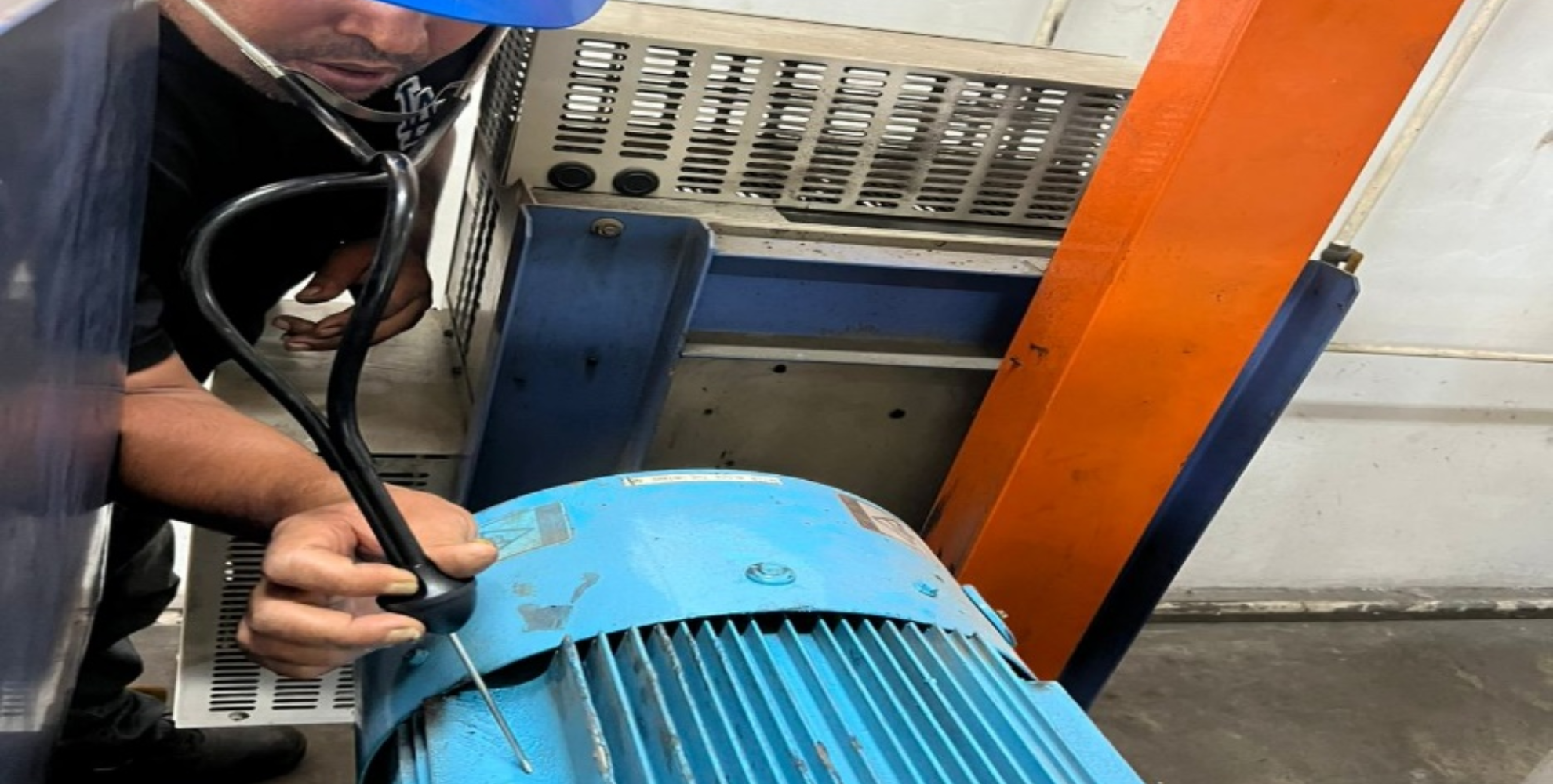
Air Compressor and Dryer Service
specialized field focused on maintaining, repairing, and optimizing the performance of air compression systems and their associated dryers. These systems are essential in various industries, providing a reliable source of compressed air for tools, machinery, and processes.
Key Components of the Service
1. Air Compressor Servicing
- Routine Maintenance: Involves cleaning, lubricating, and inspecting components like filters, valves, and belts to ensure efficient operation.
- Repairs: Fixing or replacing faulty parts, such as bearings, motors, or seals, to restore functionality.
- Testing and Diagnostics: Identifying performance issues using advanced tools to detect leaks, inefficiencies, or abnormal noise and vibration.
- Oil and Filter Replacement: Ensuring optimal lubrication and filtration to prevent wear and contamination.
2. Air Dryer Servicing
- Moisture Management: Air dryers remove moisture from compressed air to prevent corrosion and damage to tools or processes.
- Desiccant and Filter Replacement: Maintaining or replacing moisture-absorbing materials and air filters to ensure consistent drying performance.
- System Calibration: Adjusting settings to maintain the desired dew point and air quality.
- Leak Detection and Repair: Checking for and sealing any leaks in the air lines to optimize efficiency.
Types of Air Dryers Maintained
- Refrigerated Air Dryers: Cools air to condense and remove moisture.
- Desiccant Dryers: Uses moisture-absorbing materials for ultra-dry air.
- Membrane Dryers: Employs membranes to separate moisture from compressed air.
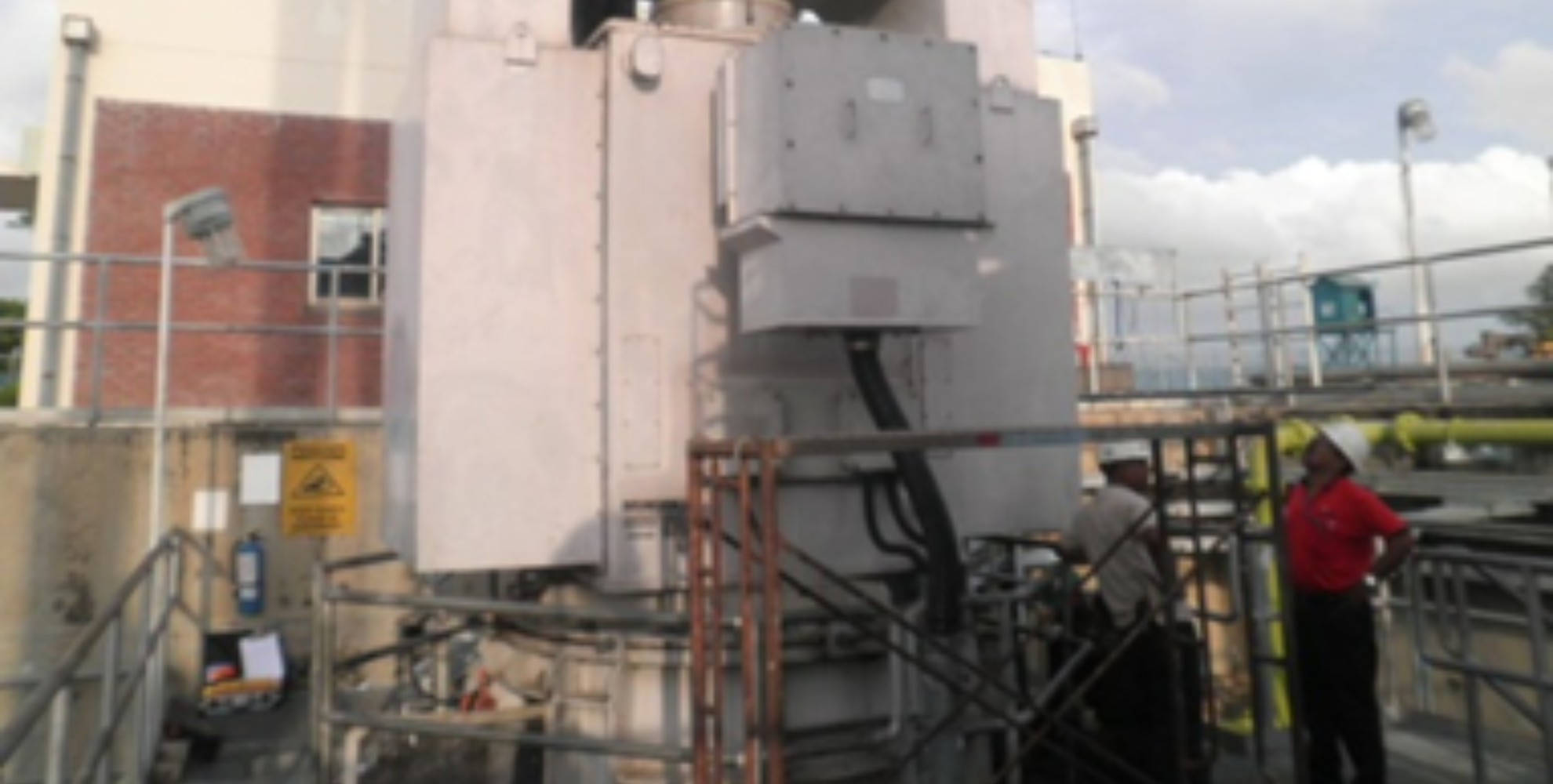
Turbo Chiller Service
The maintenance, repair, and optimization of turbo chillers, which are high-performance cooling systems commonly used in industrial, commercial, and large-scale HVAC applications. These chillers use centrifugal compressors to provide efficient and reliable cooling, often in environments where precision and high capacity are essential.
Key Components of Turbo Chillers:
- Centrifugal Compressor: The heart of the turbo chiller, responsible for compressing refrigerant and achieving high cooling efficiency.
- Condenser: Rejects heat from the refrigerant.
- Evaporator: Absorbs heat from the chilled water circuit.
- Control Systems: Ensures efficient and safe operation by managing temperatures, pressures, and flow rates.
- Lubrication System: Maintains proper functioning of moving parts, especially in the compressor.
Typical Turbo Chiller Servicing Tasks:
Inspection:
- Visual inspection of all components.
- Checking for leaks, corrosion, or unusual wear and tear.
Cleaning:
- Cleaning the condenser and evaporator tubes to maintain heat exchange efficiency.
- Removing dirt, scale, and deposits.
Lubrication System Maintenance:
- Checking oil levels and replacing degraded oil.
- Inspecting and cleaning oil filters.
Refrigerant Management:
- Checking refrigerant levels and pressure.
- Detecting and repairing refrigerant leaks.
- Recharging refrigerant if necessary.
Electrical and Control Systems:
- Inspecting wiring, sensors, and connections.
- Testing and calibrating control panels for optimal performance.
Performance Testing:
- Verifying temperature and pressure readings.
- Ensuring the chiller operates within manufacturer specifications.
Vibration Analysis:
- Identifying potential mechanical issues in the compressor and other moving parts through vibration patterns.
System Optimization:
- Adjusting operational settings to enhance energy efficiency.
- Implementing software or firmware updates if applicable.
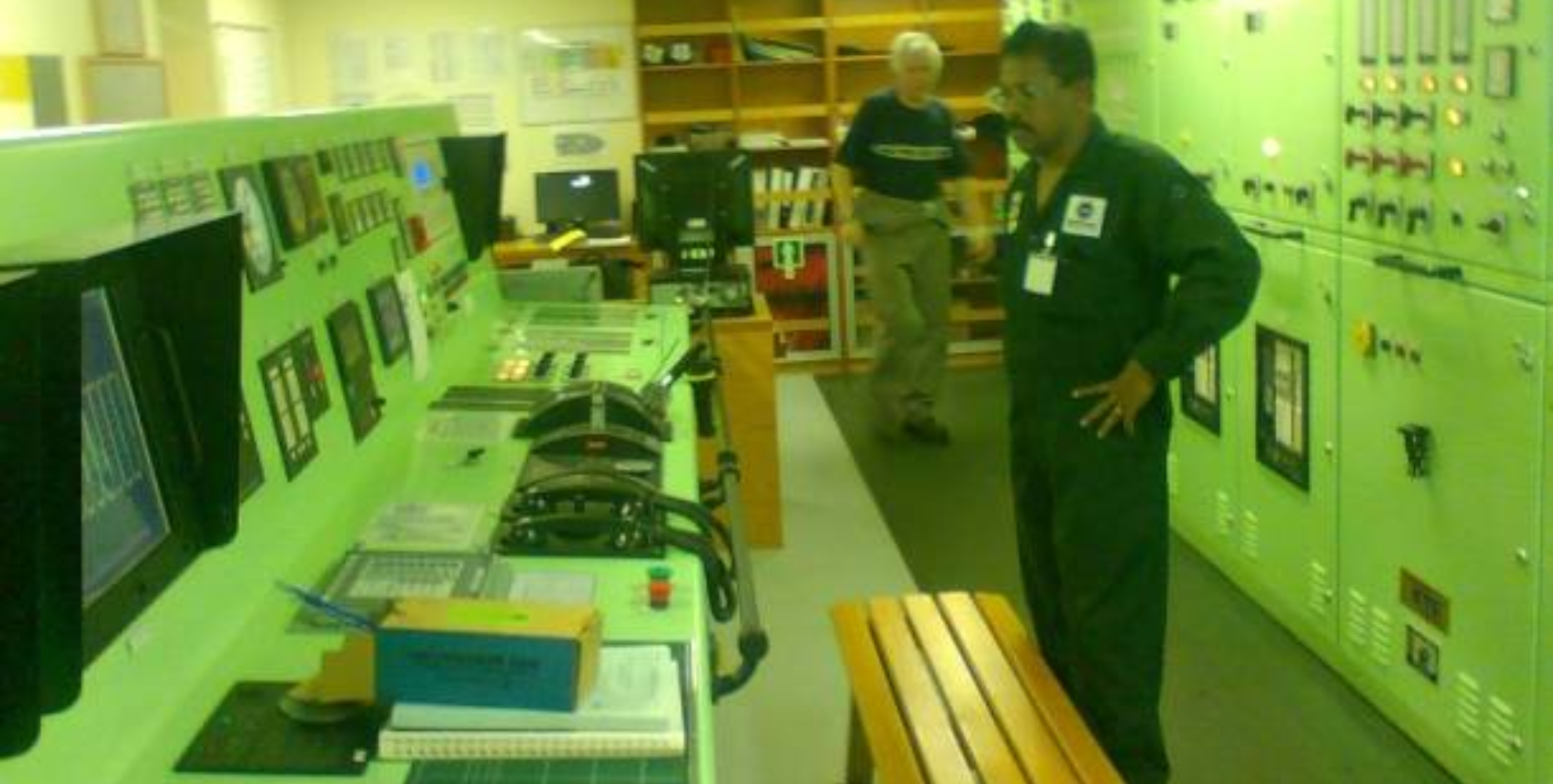
Offshore Services
specialized services provided to industries operating in offshore environments, typically on oil rigs, drilling platforms, or maritime facilities. These services are crucial for ensuring the smooth operation, safety, and compliance of offshore operations.
Key Categories of Offshore Services:
Oil and Gas Exploration and Drilling Support
- Maintenance and operation of offshore drilling rigs and platforms.
- Subsea exploration services, including seismic surveys and geological analysis.
- Drilling fluids and chemical management.
Construction and Engineering
- Design, fabrication, and installation of offshore structures like platforms, pipelines, and subsea facilities.
- Structural integrity inspections and upgrades.
- Modular construction and transportation of offshore facilities.
Logistics and Supply Chain Management
- Helicopter and vessel transport for crew, equipment, and supplies.
- Warehousing and inventory management for offshore sites.
- Emergency response and evacuation logistics.
Equipment and Maintenance
- Servicing and maintenance of offshore equipment like turbines, generators, and compressors.
- Rope access services for hard-to-reach areas.
- Corrosion protection and coatings for offshore structures.
Environmental and Safety Services
- Spill containment and environmental monitoring.
- Compliance with local and international safety regulations.
- Training programs for offshore personnel in safety protocols.
Energy Solutions
- Renewable energy projects like offshore wind farms.
- Conversion of platforms for alternative energy use.
Technical Consulting and Training
- Engineering consultancy for efficient operations and risk assessment.
- Training for offshore workers in specialized tasks and emergency readiness.
Subsea Services
- Underwater inspections and repairs using remotely operated vehicles (ROVs) or divers.
- Installation and maintenance of subsea pipelines and cabling.
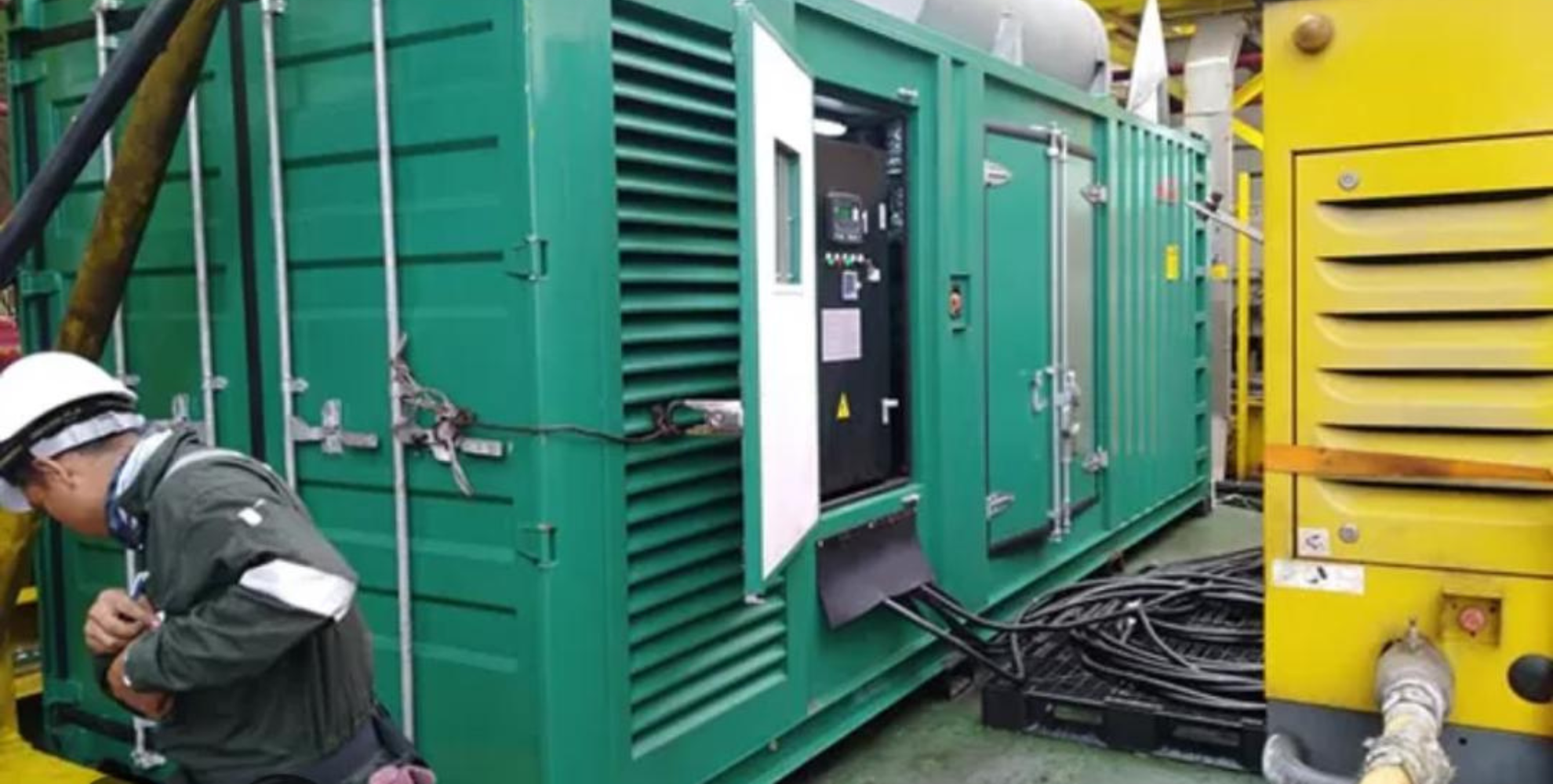
On Shore Services
Activities, operations, or services conducted on land (as opposed to offshore, which takes place at sea). These services are commonly associated with industries like oil and gas, construction, logistics, and various other sectors.
Common Areas of Onshore Services:
Oil and Gas Industry:
- Exploration and drilling for oil and gas on land.
- Pipeline installation and maintenance.
- Processing and transportation of hydrocarbons.
- Environmental management and compliance.
Construction and Infrastructure:
- Civil engineering and building construction.
- Roadwork and land development.
- Equipment supply and material transportation.
- On-site logistics and project management.
Manufacturing and Industrial Operations:
- Installation and servicing of machinery.
- Facility maintenance.
- Warehousing and supply chain management.
Logistics and Transportation:
- Inland freight services.
- Fleet management and vehicle servicing.
- Warehousing and distribution.
Training and Consultation:
- On-site safety and operational training.
- Compliance audits and regulatory consulting.
- Strategic planning for land-based projects.
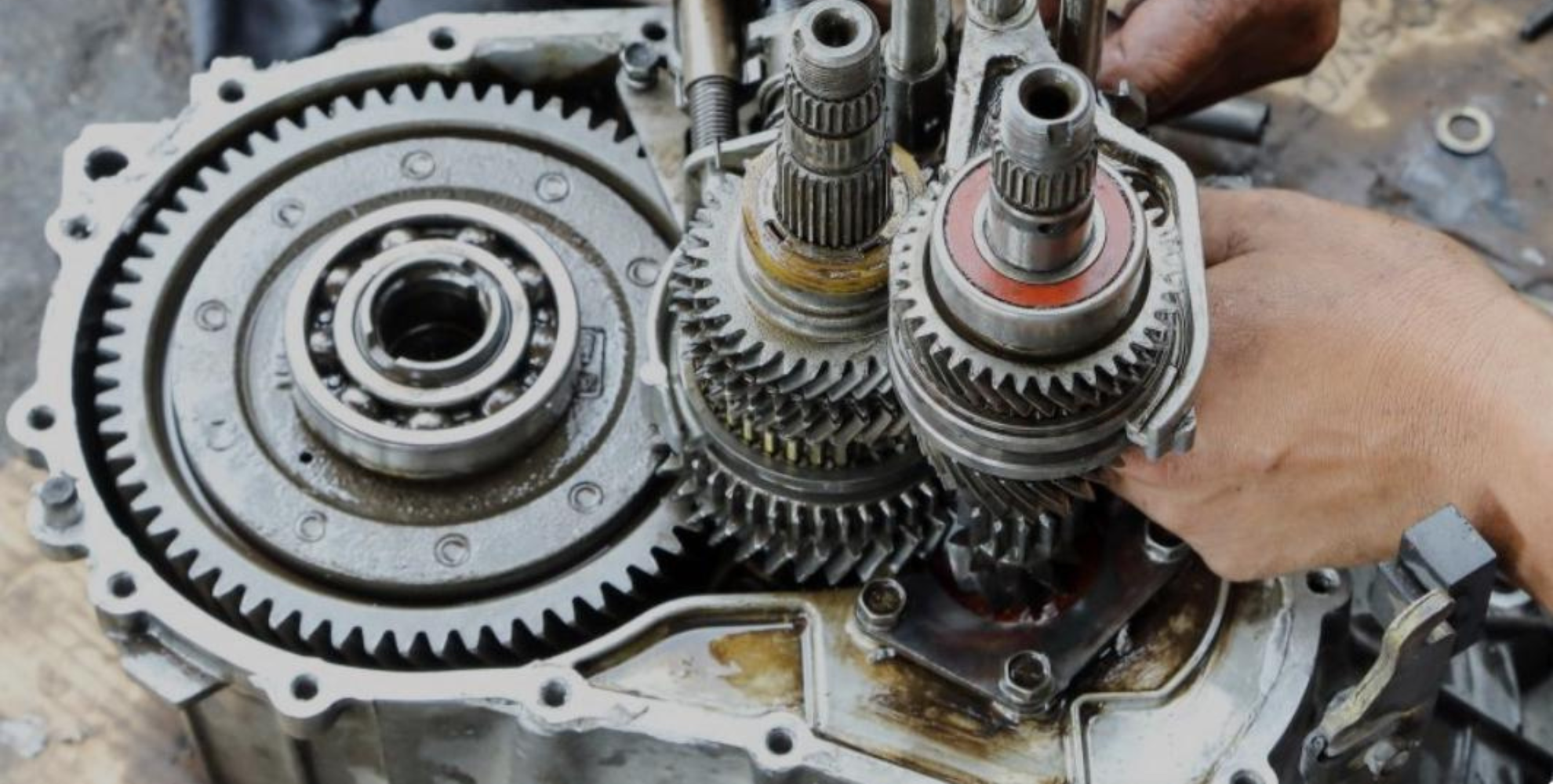
Engine & Gearbox Service
Activities, operations, or services conducted on land (as opposed to offshore, which takes place at sea). These services are commonly associated with industries like oil and gas, construction, logistics, and various other sectors.
Engine Service
The engine is the heart of a vehicle, and servicing it involves ensuring that all components work efficiently. Common tasks include:
Oil Change
- Replacing old engine oil with fresh oil to reduce friction and wear.
- Replacing the oil filter.
Air Filter Replacement
- Ensuring clean air enters the engine for efficient combustion.
Fuel System Cleaning
- Cleaning injectors and fuel lines to maintain fuel efficiency.
Spark Plug Replacement
- Ensuring proper ignition of the fuel-air mixture.
Coolant Check and Replacement
- Prevents the engine from overheating by maintaining the cooling system.
Belt and Hose Inspection
- Checking for wear or damage to timing belts, serpentine belts, and hoses.
Battery and Electrical Systems
- Testing and servicing the battery and electrical connections.
Performance Diagnostics
- Scanning for error codes and addressing any issues using an OBD scanner.
Gearbox (Transmission) Service
The gearbox transmits power from the engine to the wheels. Servicing it involves:
Transmission Fluid Change
- Draining old fluid and refilling it with fresh fluid for lubrication and cooling.
Filter Replacement
- Ensuring contaminants are removed from the transmission fluid.
Inspection of Gearbox Components
- Checking for wear and tear on gears, clutches, and seals.
Adjustment and Calibration
- Ensuring smooth shifting and proper alignment of gears.
Repair or Replacement
- Fixing damaged components like gear teeth or synchros, or replacing the gearbox if necessary.
Clutch System Check (Manual Transmission)
- Inspecting and replacing clutch plates, cables, and hydraulics if needed.
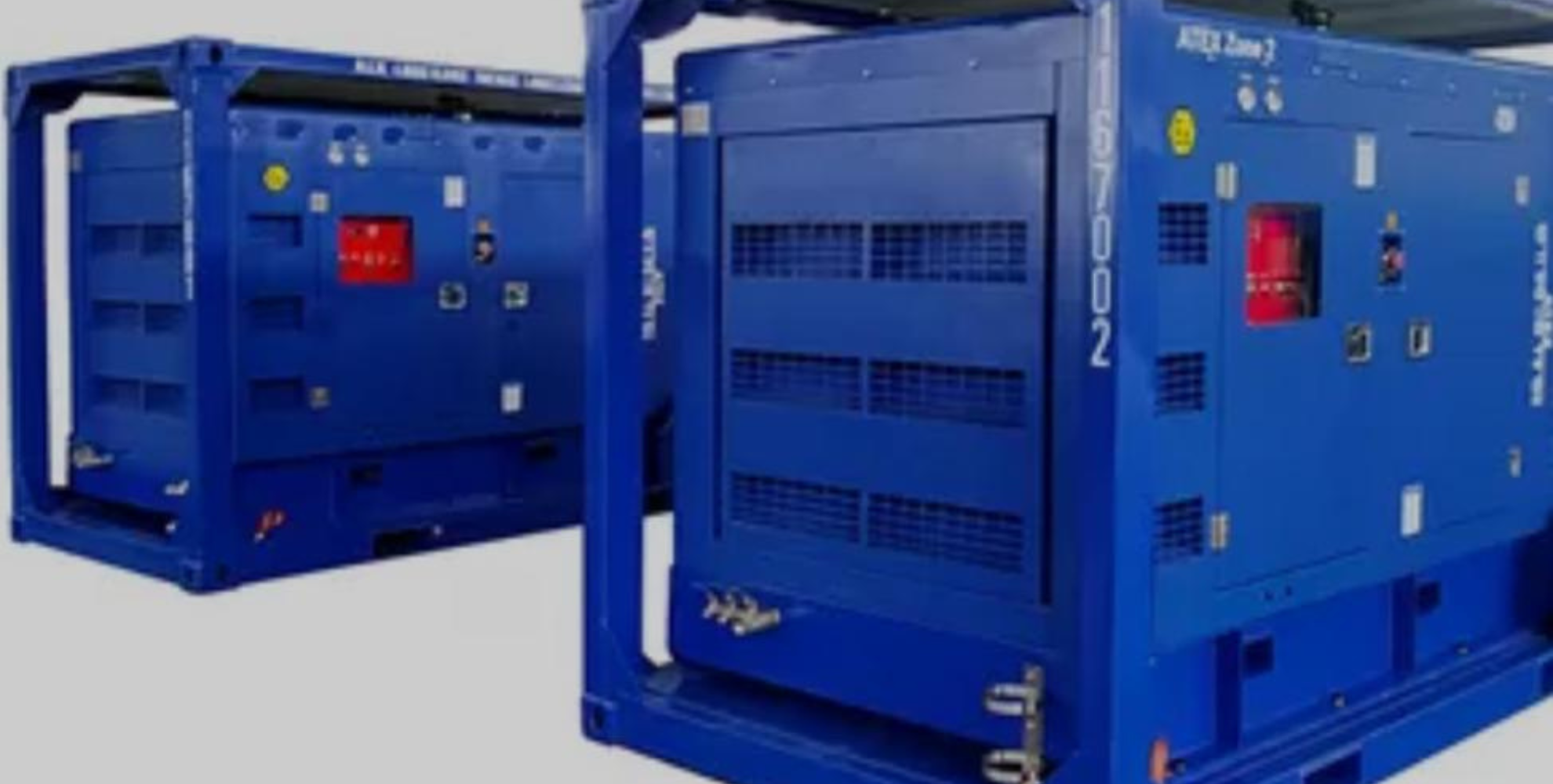
Oil And Gas Zone 2 Product Packing
A classification of hazardous areas where explosive gas atmospheres may occur but only under specific conditions. This classification is part of a broader system used to categorize environments based on the risk of explosion due to the presence of flammable gases, vapors, or liquids.
Key Aspects of Zone 2:
Definition: Zone 2 is defined as an area in which an explosive gas atmosphere is not likely to occur during normal operation and, if it does occur, will only persist for a short period. This is contrasted with Zone 1 (where explosive atmospheres are likely to occur in normal operation) and Zone 0 (where explosive atmospheres are present continuously).
Examples: Common examples of Zone 2 areas include locations near equipment that may occasionally leak gas, such as venting systems, certain areas around gas compressors, and equipment used for storage and transfer of flammable materials.
Product Packing Considerations:
- Materials: Packaging materials must be suitable for Zone 2 environments. This often includes anti-static, non-combustible materials that minimize the risk of igniting flammable gases.
- Sealing and Containment: Proper sealing of containers to prevent leaks is crucial. The design should consider the potential for gas buildup and allow for safe venting if necessary.
- Labeling and Identification: Packages must be clearly labeled to indicate they are intended for use in Zone 2 areas, including any specific handling instructions related to safety.
- Transportation and Storage: Products packaged for Zone 2 must be transported and stored in ways that minimize risk. This may involve using specialized containers or following specific guidelines to ensure safety during transit and storage.
Regulatory Compliance: Compliance with relevant regulations and standards is essential when packing products for Zone 2 environments. This includes adhering to guidelines from organizations such as the American National Standards Institute (ANSI), the National Fire Protection Association (NFPA), and international standards like the ATEX directive in Europe.
Safety Measures: Safety measures should be implemented during the packing process, including using explosion-proof equipment, grounding and bonding to prevent static discharge, and proper training for personnel involved in handling and packing products for Zone 2 environments.